March 5, 2026
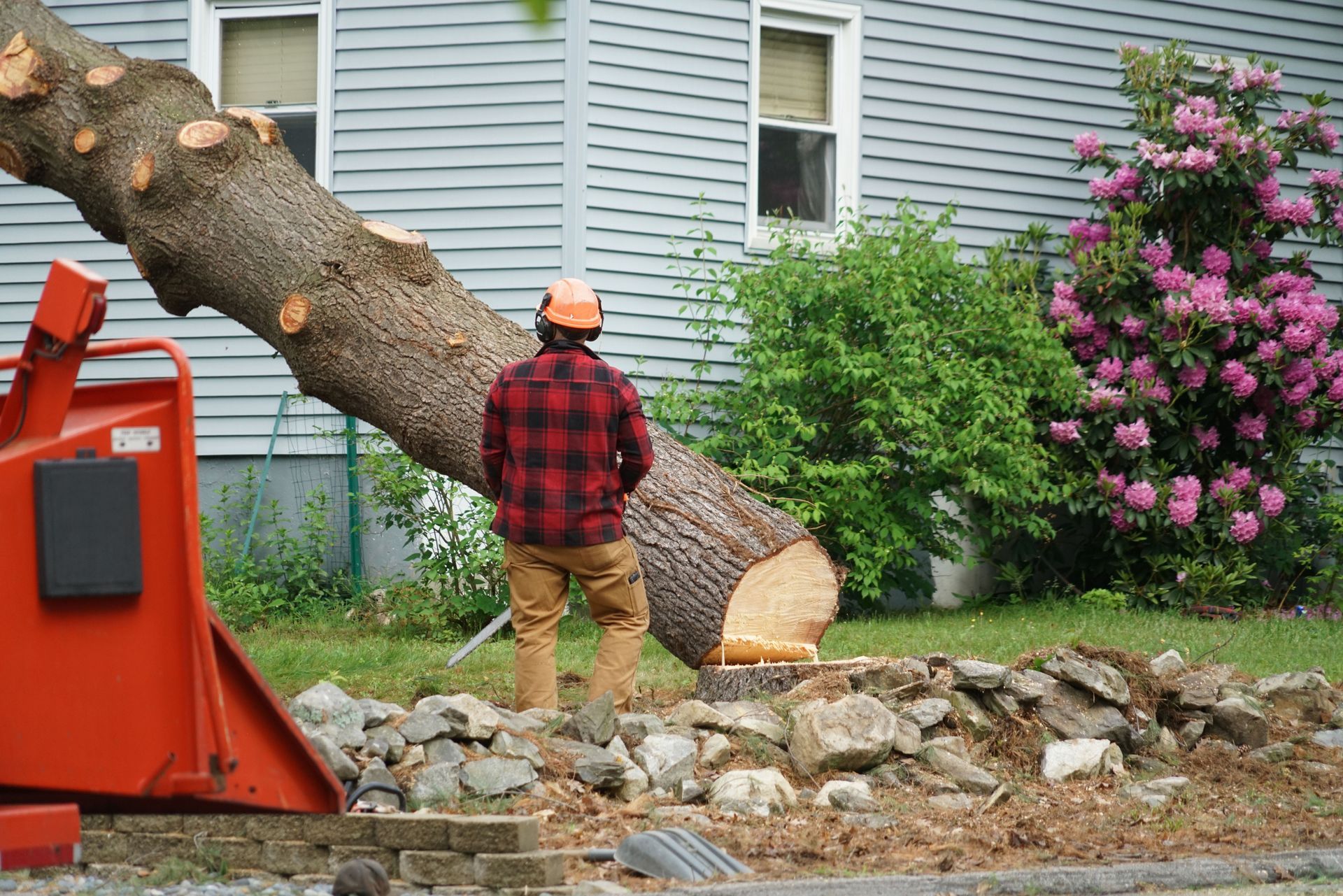
Trees add beauty and value to properties; however, it is critical to understand their potential impact on a structure's integrity. When trees are too close to a home, they present several risks, particularly concerning the roof and foundation. Strategic tree removal by a local tree company can protect your property by safeguarding these essential components. To show how common it is, at least once a year, 62% of homeowners hire a tree service, according to Zipdo Education. Arming yourself with this knowledge and taking a proactive approach can maintain safety across all four seasons.
The Impact of Trees on Roof Integrity
Overhanging branches pose a significant threat to roofs by affecting shingle integrity. These branches can scrape against the roof, dislodging materials and causing leaks over time. During storms, weakened or dead branches might fall, causing immediate damage that requires costly repairs. Regular trimming can mitigate these risks, but removal of nearby trees might be necessary for long-term solutions. Maintaining a safe distance between branches and home surfaces helps maintain the roof's longevity and functional integrity.
Fallen leaves from nearby trees often accumulate in gutters, creating clogs that impede proper drainage. This blockage forces water to back up, potentially causing structural damage from water seepage and overflow. Effective management of tree debris through regular cleaning or strategic removal prevents these issues. Solutions like installing gutter guards can help, but they are not foolproof. Complete tree removal near roofs might be the most viable long-term solution, keeping gutters clear and functional.
Trees that shade homes create perfect environments for moss and algae, which thrive in damp, shaded areas. Once these organisms take hold, they can damage shingles, affecting both the roof's appearance and its protective qualities. Continual maintenance, like cleaning and treating roof surfaces, is required to combat these growths. For some homeowners, tree removal might seem drastic, but it eliminates the root cause of shade-induced roofing issues.
High winds can cause tree limbs to fall, damaging roofs and posing a considerable safety hazard. Maintaining stable and healthy trees minimizes such risks, but certain conditions, like soil erosion or diseases, can compromise even robust trees. Strategic tree removal in conjunction with regular maintenance by a local tree company provides the most comprehensive safeguard against storm-induced limb fall. Properly assessed, tree removal can protect your home, reducing the likelihood of unexpected or expensive damage during adverse weather events.
Trees close to homes can act as bridges for pests and insects, creating infestations that affect roofs, leading to further damage. Overhanging branches offer easy access points for pests, like termites and ants, which can infiltrate the roofing structure and interiors. By removing these tree-related pathways, homeowners reduce the risk of pest-related damage significantly. Regular pest control is also crucial, alongside physical interventions such as tree removal. Safeguarding your property in this way saves on potential extermination and repair costs associated with infestations.
Foundation Dangers from Tree Roots
Tree roots naturally seek moisture, expanding into areas that may compromise foundation stability by displacing soil. This process creates uneven settling, which can cause the foundation to shift, leading to structural problems. Implementing root barriers is one option, but having a local tree company remove it can prevent future infrastructure compromises. As these issues can be difficult to detect until significant damage occurs, regular inspections are essential. Preventing further displacement by limiting plant growth close to the home helps the foundation remain stable.
Roots exert pressure on foundation walls as they grow, potentially creating cracks that undermine structural integrity. Repairing such foundational issues can be quite costly, and the damage often goes unnoticed in its early stages. Removing invasive trees with extensive root systems near homes can avert these costly restorations. Such preemptive actions diminish the likelihood of severe issues forming undetected, saving homeowners from potential distress. Regular assessments by a local tree company will maintain foundational safety over time.
Tree roots not only threaten foundations but can also interfere with plumbing systems, causing leaks and blockages. As roots grow and search for water sources, they can invade pipes, compromising their efficacy and causing substantial damage. Addressing root incursion by planting compatible species away from critical infrastructure or removing problematic trees altogether can avert plumbing nightmares. Nevertheless, these issues highlight the need for comprehensive site planning when landscaping.
Tree roots actively absorb moisture, creating imbalances in soil that can affect home foundations. Variations in soil swelling and shrinking may lead to uneven settlement or subsidence, impacting the structure's stability and alignment. Consistent monitoring of soil conditions can indicate when intervention may be required to maintain balance. Tree removal with a skilled local tree company in these cases can provide a fruitful solution, stabilizing the soil environment. Planting trees strategically and choosing species with less invasive roots also contribute positively to maintaining soil equilibrium.
Several strategies exist to control root spread near foundations, helping protect structural integrity. Installing root barriers, creating buffer zones, and choosing non-invasive tree species are some effective methods. However, when roots have already compromised nearby structures, removal becomes necessary. Ultimately, a balanced approach considering long-term implications aids in safeguarding property value and safety.
Safety Hazards of Trees Near Structures
Weak or diseased trees near homes pose considerable safety risks, including tree collapse that can damage properties or endanger inhabitants. Regular inspections can identify trees that need maintenance or removal. Strategic removal mitigates hazards, especially when expert opinion suggests imminent failure or collapse. Investing in preventive removal with a local tree company avoids potential emergencies and expensive repairs. Awareness and action align to uphold safety, fortifying the dwelling against such unpredictable threats.
Tall trees can attract lightning, endangering homes with potential fires and electrical damage. Beyond this, dry foliage increases fire risk during certain seasons, amplifying safety concerns. Managing these hazards involves pruning or removing trees, particularly those too close to homes. Mitigation strategies include the installation of lightning rods and creating fire-safe landscaping designs. Comprehensive planning reduces vulnerabilities, securing the property against fire's destructive power.
The proximity of trees to homes impacts insurance coverage, with potential for premium adjustments due to increased risks. Insurers may consider nearby trees as liabilities, potentially raising rates to account for additional perils. By clearing trees that pose significant risks, homeowners might lower insurance costs, though policy conditions differ. Nonetheless, maintaining comprehensive home records demonstrates thoughtful stewardship. Aligning tree management practices with policy requirements supports optimized coverage.
Seasonal shifts influence tree stability and the potential hazards they pose to property, requiring adaptable management strategies. During storms or heavy snowfall, trees may become dangerous if not properly maintained. Removing specific hazard-prone trees provides a security measure against seasonal damage. Reflecting upon removing trees before adverse weather conditions arise helps protect properties. By acknowledging the rhythm of nature, property management becomes increasingly effective and preventive.
Keeping trees from obstructing access for emergency services supports both safety and rapid response time. Overgrown or obstructive trees may hinder the arrival or efficient operation of services like fire engines or ambulances. Assessing tree placement and planning for adequate space will allow unhindered access for emergencies. When necessary, removing obstructive trees aligns with a commitment to safety preparedness. These steps offer priceless peace of mind in times of urgent need.
Strategic tree removal services provided by a local tree company will harmonize home safety and preserve value, shielding both roofs and foundations from conceivable complications. By understanding these elements, homeowners can undertake proactive measures to prevent potential future expenses and safeguard peace of mind. Following safe practices and exercising informed discretion keeps homes secure and welcoming, and maintains long-term structural integrity and visual allure. If you need safe, efficient, and professional tree removal services, contact Delano Property Services today to schedule your consultation and protect your property.