May 28, 2026
Choosing the right roof for a property involves more than selecting a style or color. Climate plays a major role in how well a roofing system performs over time, especially when homes and buildings are exposed to changing temperatures, heavy rain, strong sunlight, humidity, or severe storms. A roof that performs well in one region may not be the best choice in another. Property owners who understand how climate affects roofing materials are often better prepared to make decisions that support durability, comfort, and long-term value.
Working with a professional roofing company can help homeowners evaluate the environmental conditions that impact a roof every day. Local weather patterns influence everything from material performance to ventilation needs and maintenance expectations. By selecting roofing materials designed to handle local conditions, homeowners can improve protection, reduce stress on the structure, and feel more confident about the investment they are making in their property.
Evaluate Heat Resistance
In areas where strong sunlight and high temperatures are common, heat resistance becomes one of the most important factors when choosing roofing materials. Some roofing systems absorb large amounts of heat, which can increase indoor temperatures and place added strain on cooling systems. Other materials are designed to reflect sunlight more effectively and help maintain a more comfortable interior environment.
A roofing company can explain how different roofing materials respond to heat exposure throughout the year. Lighter-colored roofing surfaces often reflect more sunlight, while specialized coatings may help reduce heat absorption. Certain materials also expand and contract differently when exposed to long periods of heat, making proper installation especially important.
Heat can affect more than just comfort levels inside the property. Prolonged exposure to intense sunlight may contribute to fading, cracking, or premature wear if the roofing material is not suited to the environment. Choosing a roof designed for warm climates can help preserve appearance and improve long-term performance.
Consider Moisture Protection
Regions with frequent rain, humidity, or tropical weather require roofing systems that can effectively manage moisture. Water intrusion is one of the most common causes of roofing damage, and the wrong material may struggle to withstand prolonged exposure to damp conditions.
A professional roofing company can recommend materials that resist water penetration and reduce the likelihood of mold, mildew, or rot. Roofing systems designed for wet climates often include strong drainage features and underlayment materials that help direct water away from vulnerable areas of the structure.
Humidity can also influence how roofing materials age over time. Some materials are more resistant to moisture absorption, while others may weaken if exposed to constant dampness. Proper ventilation is equally important because trapped moisture in attics or roofing systems may contribute to structural concerns and reduced indoor air quality.
Choosing roofing materials with strong moisture resistance helps protect the property from leaks and supports the overall lifespan of the roof. Homeowners in rainy or humid climates often benefit from materials specifically designed to handle repeated exposure to water and changing weather conditions.
Examine Wind Durability
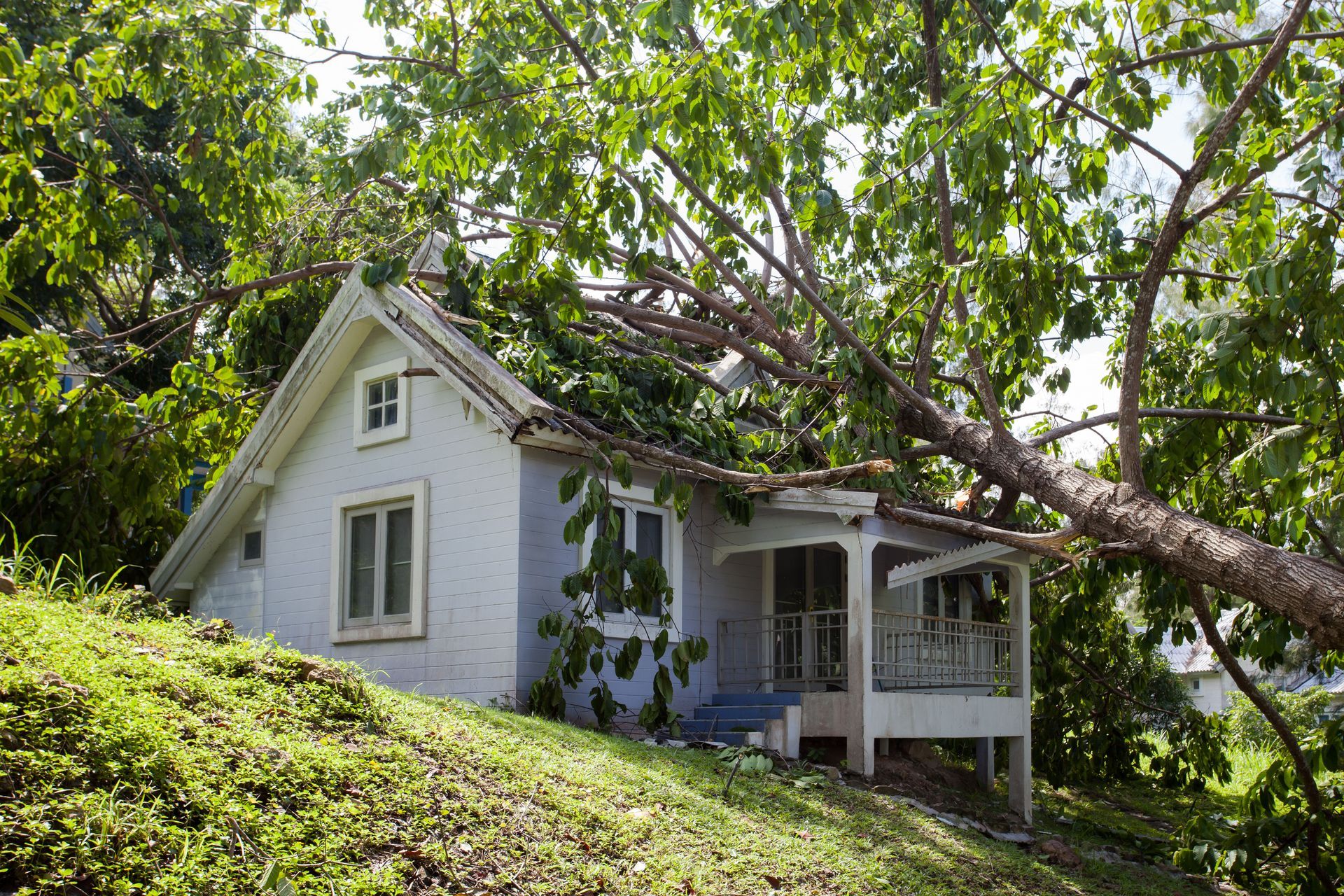
Strong winds can place significant stress on roofing systems, particularly during storms or seasonal weather events. In coastal regions or areas prone to severe weather, wind resistance becomes a major factor when selecting roofing materials and installation methods.
A roofing company can help homeowners understand how different materials respond to high winds. Some roofing systems are designed with enhanced fastening methods and installation techniques that improve stability during harsh weather conditions. Materials that are lightweight but securely installed may offer improved resistance against lifting or shifting.
Roof shape and slope can also influence wind performance. Certain roof designs help reduce wind pressure, while others may create areas where uplift forces become stronger. Professional roofing evaluations often consider both the roofing material and the overall structure when recommending solutions for windy environments.
Storm-prone areas may require roofing systems that meet specific building standards intended to improve safety and resilience. Homeowners who invest in wind-resistant materials may reduce the risk of storm-related damage and feel more prepared during severe weather seasons.
Review Cold Weather Performance
Cold climates create unique challenges for roofing systems, especially in areas that experience freezing temperatures, snow accumulation, or ice buildup. Roofing materials must be able to withstand temperature fluctuations without cracking or losing structural integrity.
A roofing company can recommend roofing systems designed to handle cold-weather conditions effectively. Some materials maintain flexibility during freezing temperatures, while others provide strong insulation benefits that support indoor comfort during colder seasons.
Snow and ice accumulation can place extra weight on the roof and increase the risk of moisture damage if melting water becomes trapped. Proper drainage systems and ventilation play important roles in reducing the likelihood of ice-related issues. Roofing materials that support efficient water runoff often perform better in climates with regular snowfall.
According to This Old House, metal roofing commonly lasts around 40 years, making it a popular option in climates where durability and resistance to harsh weather are important considerations. Metal roofs are often valued for their ability to shed snow efficiently while resisting moisture and temperature-related wear.
Choosing materials suited for cold weather conditions can help reduce stress on the roofing structure and support long-term reliability through changing seasons.
Compare Material Longevity
Different roofing materials age differently depending on the climate they are exposed to each year. Factors such as sunlight, rain, humidity, wind, and seasonal temperature changes all influence how long a roof may continue performing effectively.
A roofing company can explain how climate impacts the lifespan of various materials and help homeowners compare long-term maintenance expectations. Some materials require more frequent inspections or upkeep, while others are known for lasting longer with less maintenance under certain environmental conditions.
The durability of a roofing system is not determined solely by the material itself. Installation quality, ventilation, drainage, and regular professional maintenance all contribute to long-term performance. Even durable materials may experience premature wear if they are not properly installed or maintained.
Homeowners often benefit from considering both short-term appearance and long-term performance when evaluating roofing options. A roofing system that performs well under local climate conditions may help reduce repair concerns and provide greater peace of mind over time.
Climate-specific material selection can also influence energy efficiency, indoor comfort, and resistance to weather-related damage. Understanding these long-term factors allows property owners to make more informed decisions about the roofing system that best fits their needs.
Prioritize Professional Guidance
Selecting the right roof involves balancing appearance, performance, maintenance expectations, and climate demands. Because weather conditions vary greatly from one region to another, professional guidance can make the decision-making process much more manageable.
A roofing company can inspect the property, assess local climate conditions, and explain which materials are best suited for the environment. Professionals understand how weather patterns affect roofing systems and can recommend options designed to provide strong protection and long-lasting performance.
Professional installation is equally important because even high-quality materials may fail prematurely if installed incorrectly. Roofing systems rely on proper sealing, ventilation, flashing, and structural support to perform effectively under changing weather conditions.
Experienced roofing professionals can also help homeowners understand maintenance recommendations, expected performance, and warning signs that may require future attention. Routine inspections and preventative care often help identify minor issues before they become larger problems.
Working with knowledgeable roofing experts allows homeowners to feel more confident about their investment while ensuring the roofing system is prepared to handle local environmental conditions year after year.
Choosing a roof that performs well in the local climate is one of the most important decisions homeowners can make when protecting their property. Heat, moisture, wind, and cold weather all affect roofing materials differently, making climate compatibility essential for long-term durability and comfort. By understanding how weather conditions impact roofing systems, homeowners can make informed choices that support both performance and appearance.
At Delano Property Services, we help homeowners choose roofing solutions designed to handle local climate conditions with durability and reliability. We work closely with our customers to identify roofing systems that provide lasting protection, dependable performance, and peace of mind for years to come.